Failing Private Pole in Stockton
If your private pole in Stockton is leaning, rotten, or carrying damaged mains, our family-owned team's Level 2 ASPs treat it as urgent, backed by 300+ five-star reviews and same-day response.
What a Failing Private Pole Actually Means
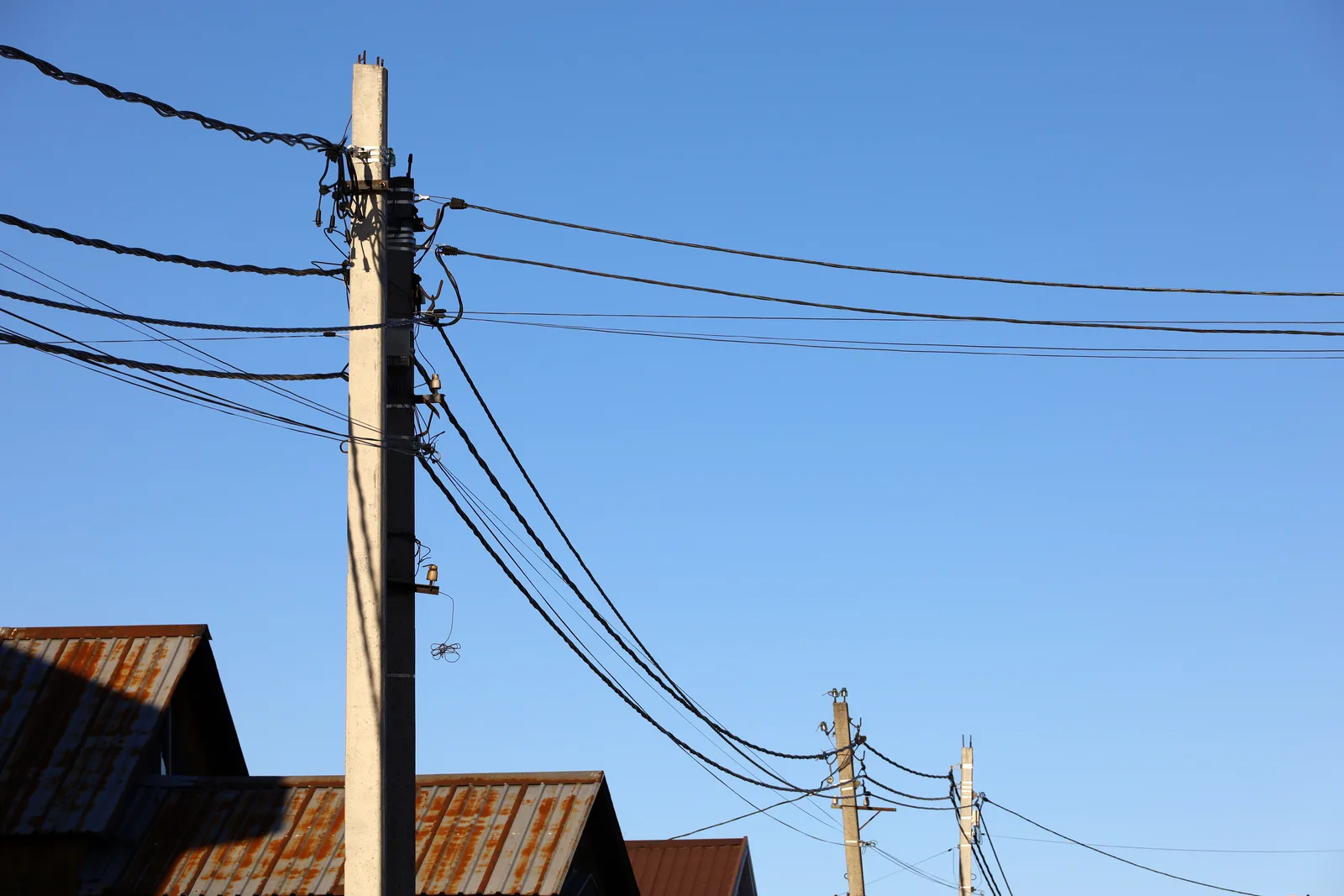
A private pole is the property owner's own pole, separate from Ausgrid's network poles, carrying the service mains onto the property. When it rots, leans, or is storm-damaged, it can fail suddenly and bring live mains down with it. Only a Level 2 ASP can legally repair or replace it under AS/NZS 3000.
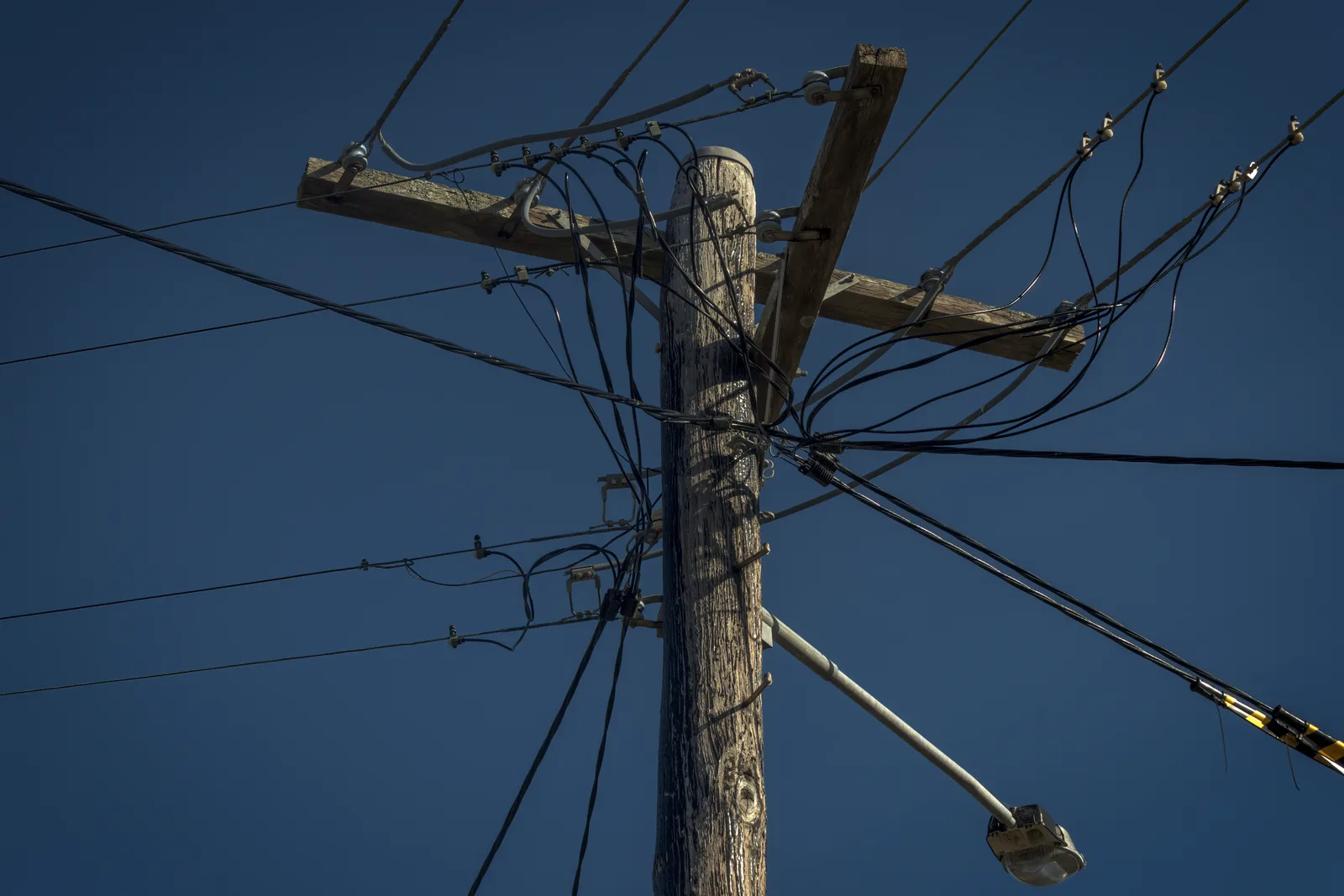
Common Causes of a Failing Private Pole in Stockton
Salt-laden air accelerating decay
Stockton's exposed ocean-and-river peninsula position means constant salt-laden air speeds up timber rot and corrodes metal fittings on a private pole far faster than inland Newcastle suburbs.
Rot at the base from ground moisture
Stockton's low-lying sandy soil and shallow water table keep ground moisture close to the base of a timber pole, driving rot from underground where it is hardest to spot.
Storm winds and dune-side swells
Onshore winds and severe swells overtopping the dunes put repeated strain on an ageing pole, and a storm can be the final push that causes a weakened pole to lean or crack.
Termite damage in timber poles
Older timber private poles across the peninsula's original township streets can suffer hidden termite damage that weakens the structure well before any visible leaning.
Age on poles from the original township build
Many private poles installed decades ago as Stockton's cottages were built are now well past their intended service life and due for replacement.
Is a Failing Private Pole Dangerous?
Yes. A rotten or leaning private pole can fail without warning and bring live overhead mains down with it, so this is one of the few faults you should never approach or inspect yourself.
- A pole that is visibly leaning may be closer to failure than it looks
- A fallen or collapsing pole can bring live mains down with it, a serious shock and fire risk
- Termite or rot damage inside the timber is often invisible from the outside
- This is Level 2 work, not something a general electrician or handyman can assess safely
What To Do Right Now
If your private pole looks like it is failing, take these safety steps immediately:
- Keep well clear of the pole and the mains it carries, especially if it is leaning.
- Keep children, pets, and neighbours away from the area until it is assessed.
- Do not touch, push, or attempt to straighten the pole yourself.
- If the pole looks close to falling or mains are down, call emergency services (Triple Zero) and Ausgrid immediately.
- Call a licensed Level 2 ASP (Lic #451348C) to inspect and replace the pole safely.
When To Call an Electrician for a Failing Private Pole in Stockton
- The pole is visibly leaning, cracked, or softer to the touch near the base
- A storm has recently hit the pole or the mains it carries
- You can see termite damage, rot, or splitting timber
- The mains attached to the pole are sagging, damaged, or arcing
- The pole has never been inspected since your home was built or purchased
Any of these at your Stockton property is a job for a Level 2 ASP, not a general electrician. We respond same-day and 24/7 for emergencies, with $0 call-out and free quotes. See our private pole and service mains work.
How it works
How We Fix a Failing Private Pole in Stockton
Inspection
We assess the pole's condition, from base rot to storm damage, and check the mains it carries before recommending repair or replacement.
Upfront Quote
Once we know what the pole needs, we provide a fixed, transparent quote before any work begins, with no surprise costs added later.
Replacement or Repair
As Level 2 ASPs we replace or repair the private pole and its mains ourselves, work most general electricians have to sub out entirely.
Testing & Safety Check
Every replacement is tested against AS/NZS 3000 so the pole and its connection are confirmed safe and built to last.
Why This Is Common on the Stockton Peninsula
Constant salt-laden air off the ocean and Hunter River accelerates timber decay and fitting corrosion on private poles across Stockton, a condition also seen on exposed streets in neighbouring Newcastle.
Failing Poles and Related Electrical Faults Across Stockton
A failing private pole often shows up alongside storm-damaged mains or a sagging service line, and a pole in poor condition can also trigger a defect notice. We fix all of these across Stockton and neighbouring Newcastle.
Failing Private Pole in Stockton? Call Now
Call (02) 4072 9917 now if your private pole looks unsafe. We offer same-day, 24/7 emergency response, $0 call-out, free quotes, and fixed upfront pricing, backed by 300+ five-star reviews. Contact us or head home to learn more.
Common questions
Frequently Asked Questions
A failing private pole is a serious issue for a Stockton homeowner. Here are the questions we hear most often about it.
Is a failing private pole dangerous?
Yes. A rotten, leaning, or storm-damaged private pole can fail suddenly and bring live mains down with it, so treat it as a genuine safety risk until a Level 2 ASP inspects it.
What causes a private pole to fail?
Rot at the base, termite damage, storm winds, or decades of salt-laden air weakening the timber or fittings are the most common causes of a failing private pole.
What should I do if my private pole looks like it's failing?
Keep well clear of the pole and the mains it carries, keep others away, and call a Level 2 ASP to inspect it. Call emergency services if it looks close to falling.
Do I need a Level 2 ASP to fix a failing private pole?
Yes. A private pole and the mains it carries are Level 2 work, only an accredited Level 2 ASP is licensed to repair or replace it.
How much does it cost to replace a failing private pole?
We inspect the pole first, then provide a fixed, upfront quote with $0 call-out and free quotes, so you know the cost before any work starts.
Is salt air a common cause of pole failure on the Stockton peninsula?
Yes, Stockton's constant salt-laden air between the ocean and the Hunter River accelerates decay in timber poles and corrosion in metal fittings faster than inland suburbs.